
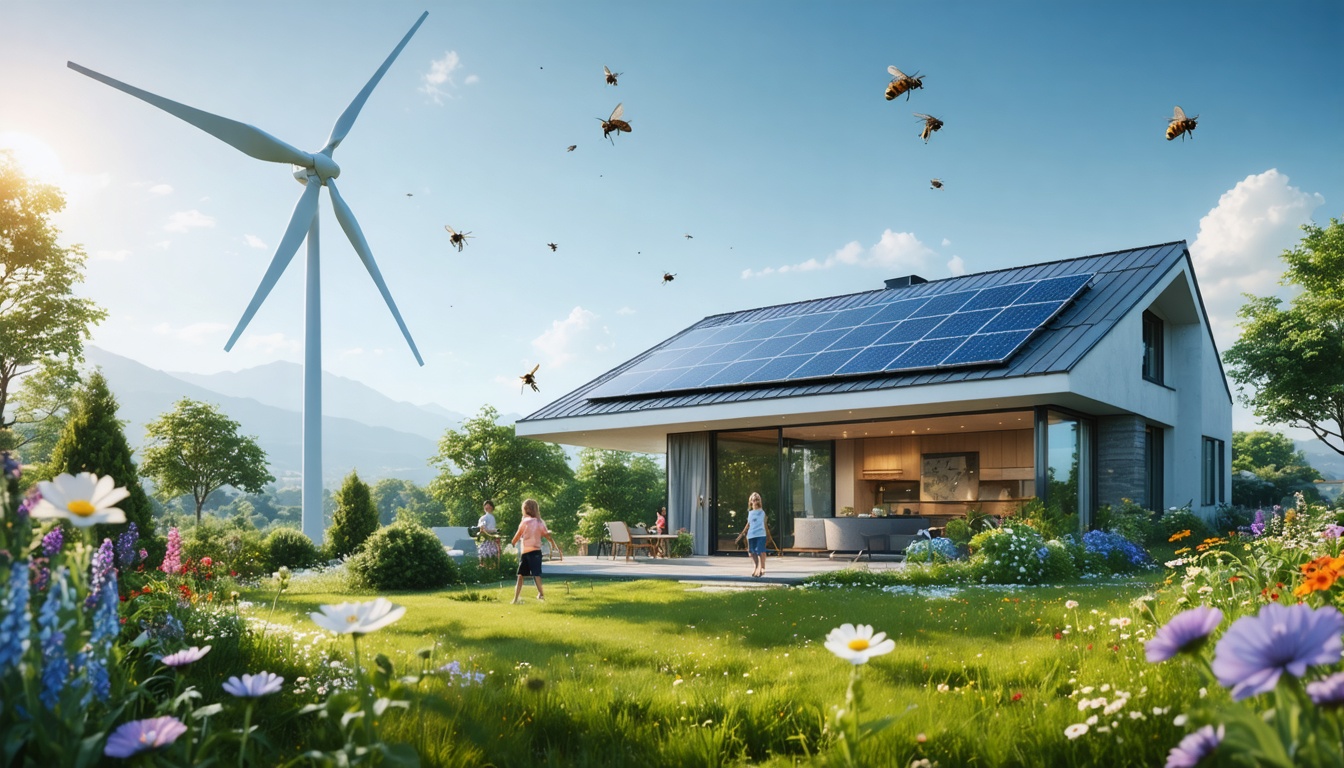
Choosing renewable energy for residential use has a significant impact on environmental factors. Renewable sources such as solar and wind energy are known to reduce carbon emissions, which contribute to climate change. By shifting to these clean energy options, homeowners can help decrease air pollution levels, leading to improved local air quality. Furthermore, adopting renewable energy can conserve natural resources, as these energy sources are inherently sustainable and do not deplete finite resources like fossil fuels. This transition can lead to positive effects not only on a local scale, such as enhanced community health outcomes, but also on a global scale by contributing to climate resilience. In addition to these environmental advantages, the manner in which energy is utilized in homes plays a critical role in overall sustainability. Implementing energy-efficient practices alongside renewable energy usage can maximize benefits and further minimize ecological impact. In summary, the choice of renewable energy not only supports the reduction of harmful emissions and resource conservation but also promotes healthier communities and a more stable climate.
Transitioning to renewable energy sources plays a significant role in reducing greenhouse gas emissions and air pollution. Clean energy options, such as wind and Solar Installers Across New Hampshire, can decrease reliance on fossil fuels, which in turn can lead to a reduction in carbon dioxide emissions.
In both the United States and other countries, this transition has the potential to improve public health outcomes by enhancing air quality and lowering levels of particulate matter that are linked to respiratory health problems.
The adoption of renewable energy technologies, utilizing naturally abundant resources, offers several environmental benefits. These technologies allow consumers to meet their energy needs with little to no associated greenhouse gas emissions.
This transition aligns with efforts to achieve net-zero climate targets and may also create job opportunities within emerging green economy sectors. Furthermore, transitioning to renewable energy is a critical element of comprehensive strategies designed to mitigate climate change and its repercussions.
In summary, the implementation of renewable energy contributes to environmental sustainability, supports public health initiatives, and promotes economic growth.
These factors underscore the importance of transitioning to cleaner energy systems in addressing contemporary environmental and health challenges.
The discussion surrounding renewable energy encompasses various benefits beyond air quality improvements, specifically in terms of conserving water and land resources. Renewable energy sources such as wind and solar power demonstrate significantly lower water usage compared to fossil fuels, which require substantial amounts of water during their production processes, averaging several gallons per kilowatt-hour generated.
Solar energy systems, when installed in urban areas or on previously degraded lands, can mitigate the negative impacts on natural habitats. This approach allows for the repurposing of less ecologically sensitive areas for energy generation, thereby conserving land and reducing reliance on fossil fuels.
Such a transition is relevant to energy policy as it promotes the conservation of land, while also supporting local job creation in the construction and maintenance sectors within the renewable energy industry.
In summary, the transition to renewable energy sources is aligned with broader efforts to address climate change. It plays a role in enhancing community resilience against climate impacts and facilitates sustainable resource management, which is vital for achieving both environmental protection and economic stability.
Transitioning to renewable energy sources has the potential to reduce air pollution, which is linked to around 7 million premature deaths worldwide annually. By selecting green electricity plans for residential use, individuals can lower emissions of carbon dioxide, particulate matter, and other pollutants typically generated by fossil fuel combustion.
Renewable energy sources such as wind and solar power are characterized by minimal to no greenhouse gas emissions, which may lead to improvements in air quality at the local community level.
The World Health Organization indicates that compromised air quality affects roughly a billion people, thereby highlighting the public health ramifications associated with energy consumption choices.
The shift toward clean energy not only has environmental benefits but also contributes to creating healthier living conditions in both homes and businesses, especially in the United States.
Existing evidence supports the notion that transitioning to renewable energy can enhance public health outcomes by promoting cleaner air, which in turn supports broader community well-being.
The selection of renewable energy for residential use plays a significant role in supporting biodiversity and maintaining ecosystem health. By utilizing sources such as wind and solar power, homeowners can reduce their reliance on fossil fuels, which have been shown to negatively impact habitats and deteriorate air quality through harmful emissions and pollution.
Renewable energy initiatives not only contribute to environmental protection but also create employment opportunities in the clean energy sector. This sector focuses on utilizing natural resources, including sunlight and wind, while producing lower levels of greenhouse gas emissions and airborne particulates compared to traditional energy sources.
The transition to renewable energy is relevant for both households and businesses in the United States and globally, as it contributes to the conservation of local species and helps to alleviate the impacts of climate change.
By adopting renewable energy solutions, energy consumption can proceed without compromising the integrity of ecosystems. This alignment with sustainable practices supports broader environmental goals and aids in the preservation of natural resources that are vital for the stability of ecosystems.
Homeowners who choose renewable energy sources contribute to a more sustainable future for their communities and the environment. By adopting options such as wind and solar energy, these individuals can reduce reliance on fossil fuels, which has a positive impact on air quality.
Transitioning to renewable energy is linked to lower carbon dioxide emissions and reduced levels of particulate matter, potentially leading to improved health outcomes for residential and commercial sectors.
The rising demand for renewable energy also facilitates job creation, with global employment in the renewable sector estimated at 16.2 million.
Renewable energy sources, which are derived from natural resources such as sunlight and wind, generally produce minimal greenhouse gas emissions. This aspect is significant for climate adaptation strategies and aids in the generation of cleaner electricity.
In conclusion, the adoption of renewable energy by homeowners offers localized environmental benefits and supports broader economic and health improvements while contributing to global sustainability initiatives.
Choosing renewable energy for residential use can contribute to improved air quality, healthier communities, and a more sustainable environment. The transition to renewable energy sources like solar, wind, and hydroelectric power can lead to a reduction in greenhouse gas emissions, which are a significant contributor to climate change. By utilizing these energy sources, individuals can help conserve valuable natural resources, as renewables rely on naturally replenishing sources rather than finite fossil fuels. This approach may also enhance energy security and stability, as renewable energy systems can reduce dependence on imported fuels and lower susceptibility to market fluctuations. Moreover, opting for renewable energy can set a societal precedent for sustainable practices, encouraging other households and communities to follow suit. This shift not only benefits current inhabitants but also aims to create a more balanced environment for future generations. Overall, choosing renewable energy is a pragmatic decision that aligns with long-term environmental and societal goals.